
House of Bid
What collectors actually look for in vintage watches
Collectors weigh several things together: the brand and model, whether the movement is mechanical or quartz, how original the parts and dial are, whether it runs and keeps reasonable time, and whether the original box and papers survive. A well-known brand with a replaced dial and mismatched parts is worth less to a serious collector than a lesser-known brand that's fully original. No single feature decides value on its own.
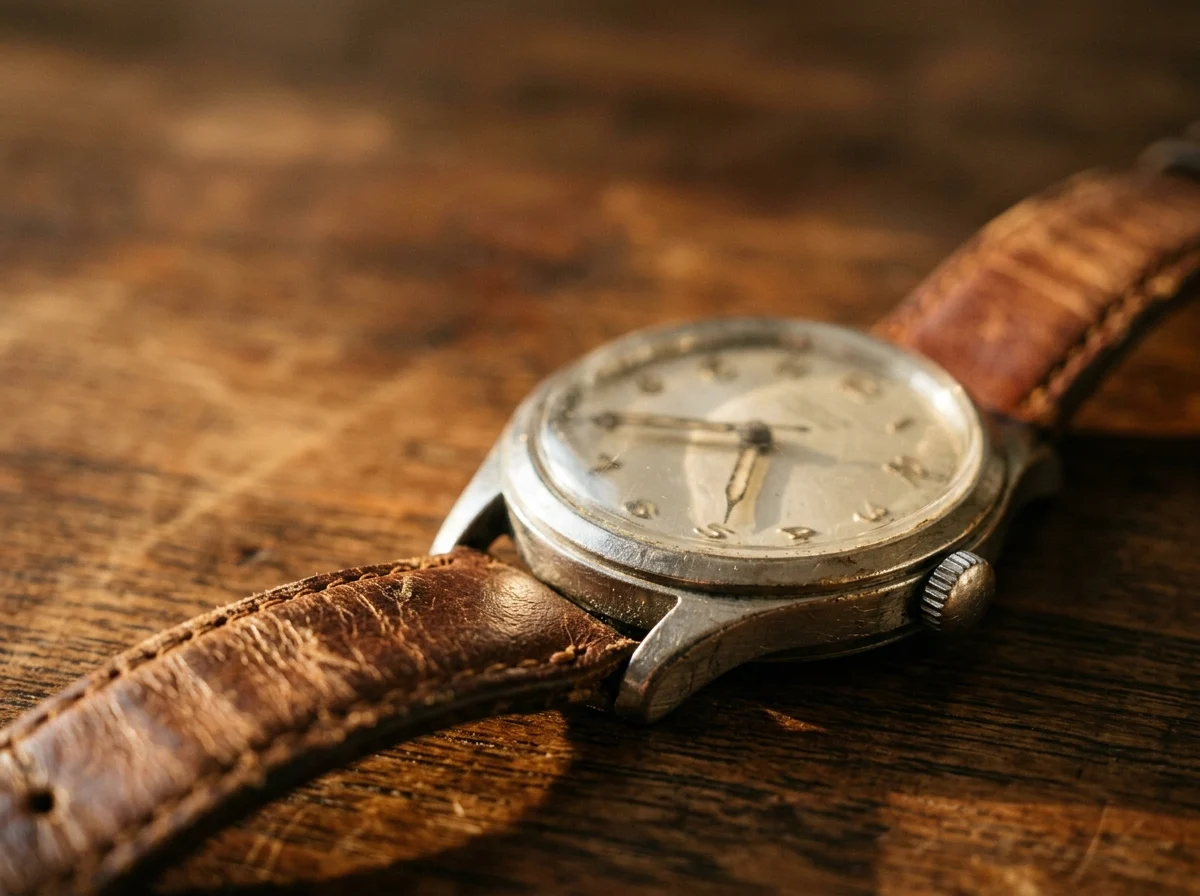
Brand and model matter, but not in isolation
Recognized brands and desirable models get attention faster, but within any brand, some references are common and some are scarce, and collectors know the difference. A well-known name on a mass-produced, easily found model isn't automatically special just because of the logo. Collectors research the specific reference number and production era, not just the brand printed on the dial, before forming an opinion about how significant a particular watch actually is.
Mechanical movement vs. quartz
Mechanical movements — hand-wound or automatic — are generally more interesting to collectors than quartz movements from the same era, because mechanical watchmaking is the craft collectors are drawn to, and quartz became common and inexpensive starting in the 1970s. That doesn't make every quartz watch worthless, but it does mean movement type is one of the first things a collector checks, usually by having a watchmaker open the case back and confirm what's actually inside.
Originality: parts, dial, and case
A watch is worth more to collectors when its dial, hands, crown, crystal, and case are original to that watch rather than replaced, redone, or swapped from another piece. A redial — where the original dial was repainted or replaced — is an issue experienced collectors specifically check for, often under magnification or UV light, because it changes how the piece is viewed even if it looks fine to a casual eye. Mismatched or aftermarket parts reduce collector interest even when the watch still runs.
Working condition, service history, and box/papers
A running, accurately timekeeping watch is more desirable than one that needs a full service, but collectors also want to know what kind of service it's had — an over-polished case or an incorrectly serviced movement can hurt originality. The original box, warranty papers, and purchase receipt, when they survive, support the watch's history and can make it more appealing, though the watch itself — its originality and condition — remains the main factor either way.
Questions
Is a mechanical watch always worth more than a quartz watch?
- Not always, but collectors generally place more value on mechanical movements from the same era. Rarity, brand, and condition still factor in heavily.
Does a redial ruin a vintage watch's value?
- It doesn't make the watch worthless, but experienced collectors specifically look for redials and generally value an original dial more, even with honest wear.
Do I need the original box and papers to sell a vintage watch?
- No, but having them supports the watch's history and can help. A certified watch appraiser or specialist can evaluate the watch itself, with or without paperwork.