
House of Bid
What to research before you sell a family heirloom
Before selling anything inherited, photograph it clearly, check for maker's marks or labels, and gather any paperwork tied to it — receipts, letters, photos of it in use. Do not clean, polish, or repair it first: restoration strips exactly the surface detail that establishes age. Get more than one opinion before deciding.
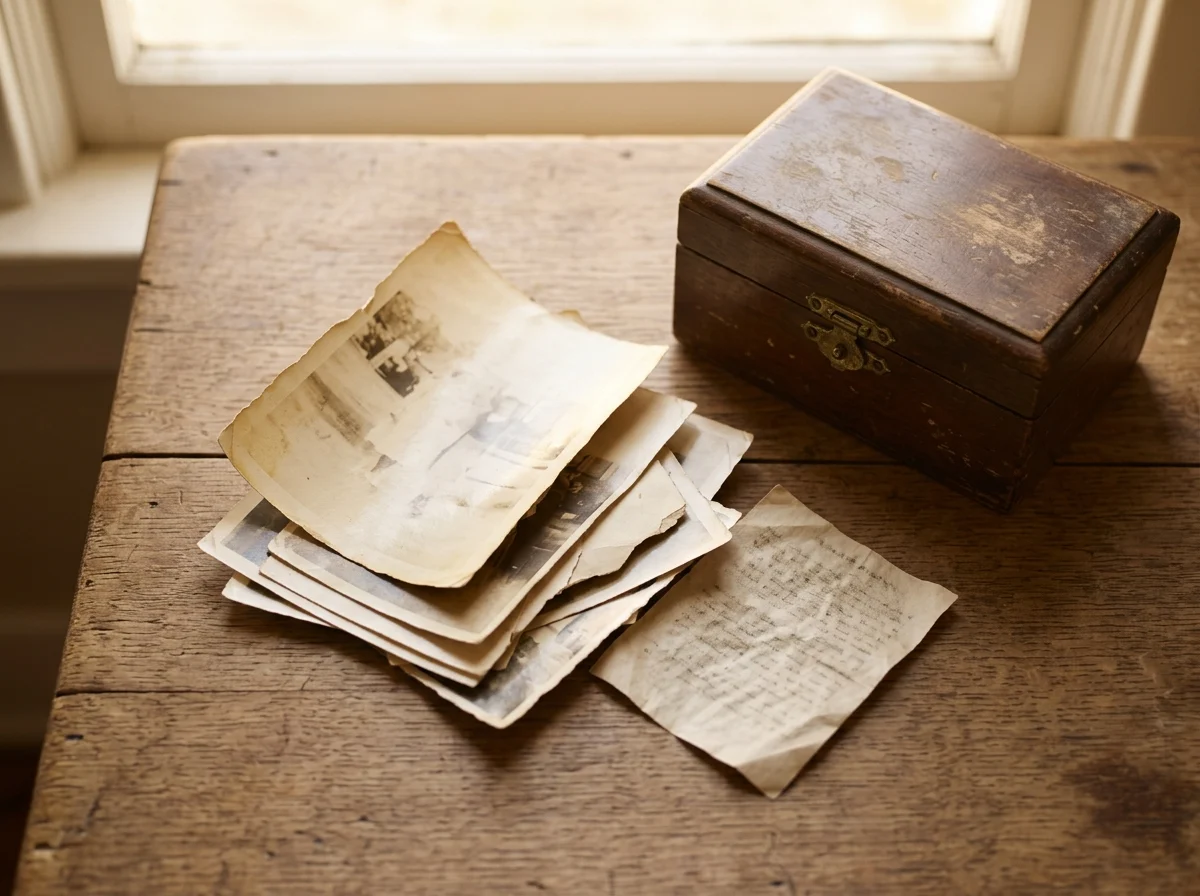
Photograph it before you touch it
Take clear photos in good light from multiple angles, including any marks, labels, damage, and the underside or interior. These photos are what you'll show a dealer, an appraiser, or an auction house before anyone handles the piece in person, and they capture the item's current state in case anything changes later. Photograph before any cleaning or repair, so there's a record of exactly how the piece looked when it came out of the estate.
Look for maker's marks and labels
Check for stamps, signatures, hallmarks, paper labels, or engraved numbers — common spots are the underside of furniture, the back of a frame, the bottom of ceramics, or inside a case. A mark doesn't confirm value by itself, but it narrows down who made the piece and roughly when, which is the starting point for any real research. Photograph marks close up, since they're often small and easy to misread later from memory.
Gather family paperwork and provenance
Provenance is the documented history of who owned a piece and where it came from, and it can meaningfully affect both interest and value, especially for art, jewelry, and militaria. Look for original receipts, insurance appraisals, letters that mention the item, old photos showing it in a family home, or estate documents. Even a rough handwritten note about where an item came from is worth keeping with the piece, since that context is easy to lose once it leaves the family.
Do not clean or restore it first
This is the step people get wrong most often: cleaning tarnish off silver, refinishing a scratched tabletop, or repairing a torn document before asking anyone can strip away the original surface, patina, or condition that establishes age and authenticity. What looks like routine tidying to you can look like value destroyed to a specialist. Get an opinion first, on the item as found — cleaning and repair, if warranted at all, should be a decision made after that opinion, not before.
Questions
Should I clean an item before getting it appraised?
- No. Cleaning, polishing, or repairing an item before it's evaluated can remove the original surface and detail that determine age and value. Show it as found.
Why does provenance matter if the item itself is the same either way?
- Documented history — who owned it, where it came from — can add real interest and value, particularly for art, jewelry, and militaria, and it also helps confirm the item is what it appears to be.
Is one opinion enough before I sell?
- Get more than one where possible. Specialties and experience vary between dealers and appraisers, and a second look can catch something the first one missed, especially for anything unusual or potentially valuable.