
House of Bid
Is that painting special? A beginner's guide
Start by figuring out what you're actually looking at: an original oil or watercolor, a print, or a mass-produced reproduction, since that alone changes everything else. Then look at the signature or monogram, the condition of the canvas or paper, and whether the frame is original to the piece. None of this replaces a professional appraisal — it just helps you decide whether getting one is worth doing.
Start with the signature or monogram
Look in the corners for a signature, initials, or a monogram, and check the back of the canvas or frame for labels, inscriptions, or gallery stickers. A legible signature gives you a name to research, but an unsigned piece isn't automatically worthless — plenty of decorative and even historically interesting paintings were never signed. Photograph any mark clearly, including its exact placement, since that detail can matter when comparing it to a known artist's other work.
Figure out what you're actually looking at
Under raking light or magnification, look for brushstroke texture — real paint sits slightly raised off the surface, while a printed reproduction is perfectly flat, sometimes with a visible dot pattern under magnification. Canvas weave, paint cracking (craquelure), and the weight and feel of the support all help distinguish an original oil or watercolor from a print, a poster, or a photomechanical reproduction. This single distinction changes the conversation more than almost anything else about the piece.
Condition, frame, and what's original
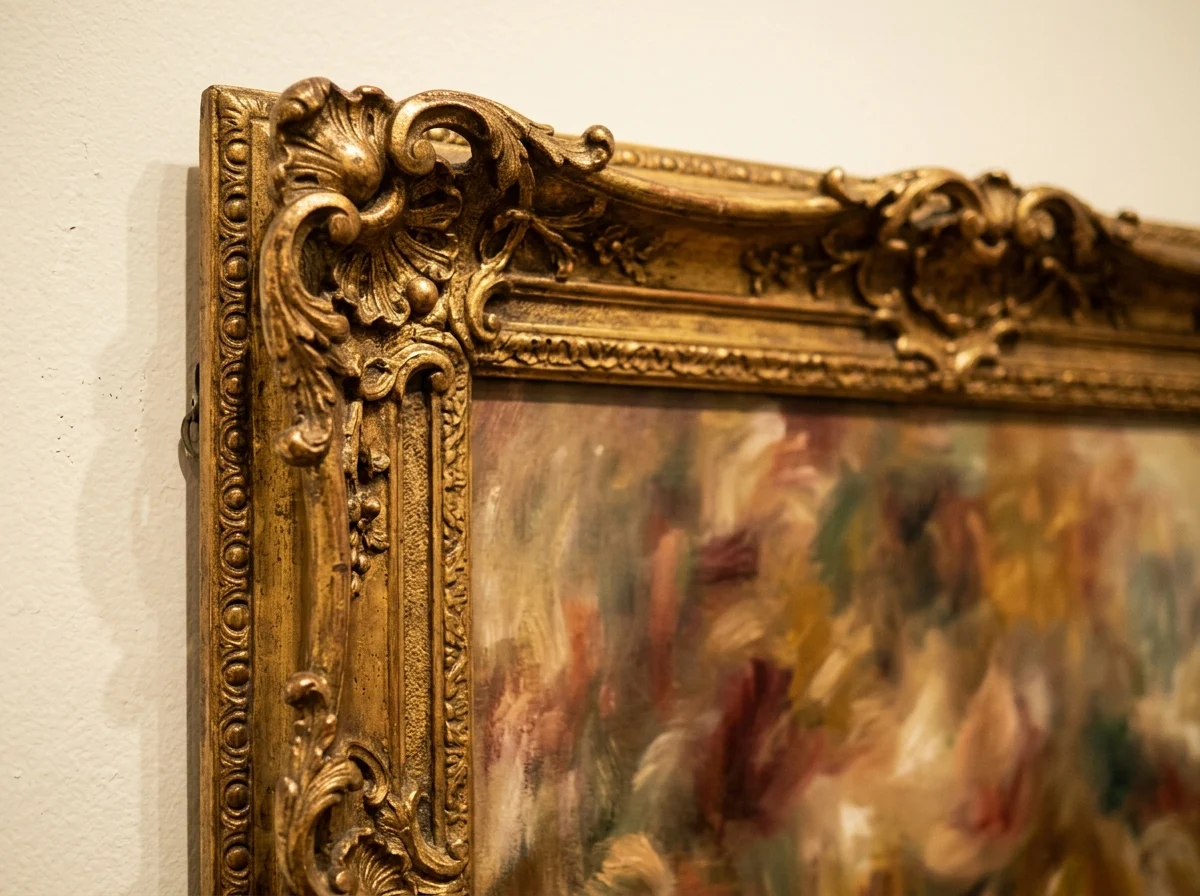
Check for tears, flaking paint, discoloration, water stains, and past repairs — all of these affect value and may need a conservator, not a home fix. Separately, ask whether the frame is original to the painting or added later; a fine period frame can add real value on its own, while a mismatched later frame tells you less. Never attempt to clean, reframe, or 'restore' a painting yourself before you know what you have — it's easy to cause damage that can't be undone.
Paperwork and provenance matter more than you'd think
Any receipts, gallery labels, exhibition stickers, old insurance riders, or family letters mentioning the piece are worth keeping and photographing, even if they seem minor. This kind of provenance — a documented chain of ownership — can matter as much as the painting itself when it comes to research and value. If the piece turns out to be significant, or you need a valuation for insurance, estate, or tax purposes, a certified fine art appraiser can give you a formal written opinion this guide can't.
Questions
How can I tell if a painting is an original or a print?
- Look closely at the surface. Real paint has texture and slightly raised brushstrokes; a print is flat, and under magnification may show a regular dot or line pattern. Canvas weave and craquelure (fine surface cracking) are also signs of an original.
Does an unsigned painting have no value?
- No. Plenty of decorative and even collectible paintings were never signed. An unsigned piece is just harder to research — you'll rely more on style, materials, and condition than on a name.
When do I actually need a professional appraiser?
- Whenever the outcome matters — insurance coverage, an estate division, a tax deduction for a donation, or a decision about how to sell. This guide can help you sort 'probably decorative' from 'worth investigating,' but a certified appraiser is the one who can put a defensible number in writing.